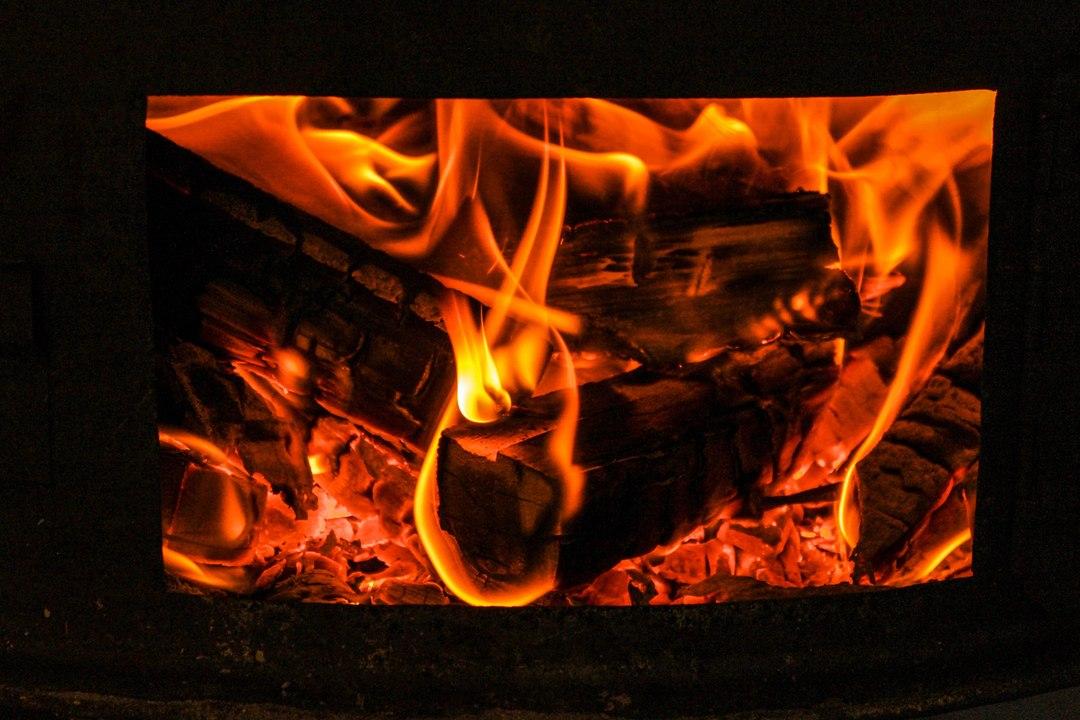
The fireplace is the oldest working part of the house
In a house built in the 1930s or the 1950s, the fireplace may be the one system nobody has replaced. The wiring has been redone, the plumbing too, but the firebox, the hearth slab and the cast iron damper are often the ones the builder put in. That is why hiring for this job is different from hiring for most repairs. You want someone who will keep what can be kept and say clearly what cannot.
What follows is how Delmar Chimney Care looks at that choice from the other side of the table, written for owners in Buena Park and the cities around it.
What usually needs fixing
On older fireplaces the calls we get fall into a short list:
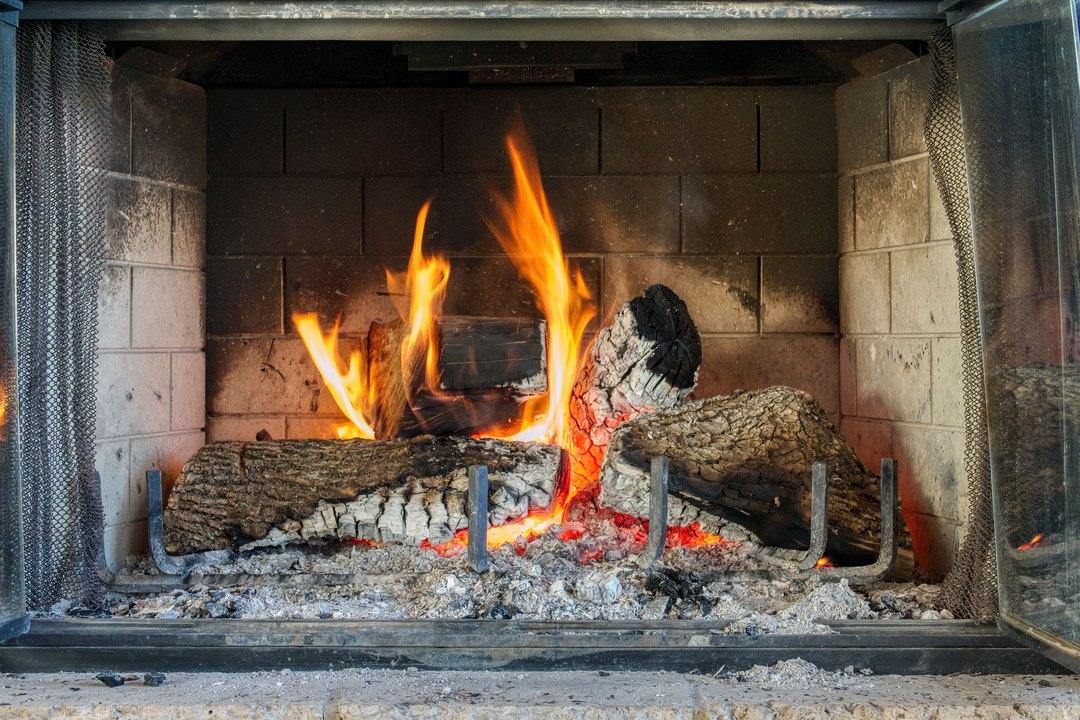
- Firebrick at the back wall cracked, or with gaps where the mortar has burned out.
- A hearth extension that has cracked or settled, leaving a gap at the front of the firebox.
- A damper rusted shut, rusted open, or so warped that it no longer meets its frame.
- Smoke rolling into the room because the opening is too large for the flue above it, a common trait of decorative fireplaces from the 1920s.
- A surround of original tile with loose pieces near the opening.
Each has a different fix and a different person who is right for it. A tile setter can reset a surround. Firebrick, hearths and dampers are chimney work.
Questions worth asking any company
These help sort a crew that will treat the house with care from one that will only make it look finished:
1. Will you look up the flue before you price the firebox? A firebox repair under a cracked flue is money spent in the wrong order. 2. What goes between the firebrick? The answer should be a heat rated refractory mortar, laid in thin joints. Ordinary mortar burns out within a season of fires. 3. Can you match the original brick or tile? If not, will you say so before you start? 4. What happens to the old damper? Some can be freed and adjusted, some take a new plate, and some are better left fixed open with a sealing damper mounted at the top of the chimney instead. 5. Does the quote list each item separately? A single lump sum makes it hard to stage the work. 6. What will you leave alone? A careful crew has an answer.
How we price fireplace repair
There is no list price for repairing a firebox, a hearth or a damper on this site, because no two old fireplaces need the same amount of work. The numbers that are fixed:
- A sweep, from $445, comes first if the fireplace burns wood, so the back wall and smoke chamber can be seen.
- A Level 1 look at $175 takes in the firebox, the damper and what can be seen of the flue.
- If the flue is in doubt, the camera visit at $415 runs its full height.
- If the plan turns to gas, an insert built into the old opening, liner and all, comes to $2,950 to $5,900.
The repair itself comes back as a written figure with one line per item: rebuilding the back wall, resetting the hearth, damper work, parging the smoke chamber and so on. You can approve one line and leave the rest for later. If your fireplace has a crack, a loose hearth or a damper that will not move, ask for a fireplace repair visit and say which of those you see and whether the fireplace is still in use.
Signs a quote has skipped something
When owners show us quotes from elsewhere, a few gaps come up again and again:
- No mention of the flue at all. The firebox is fixed and the cracked tile above it is left for later.
- "Repair firebox" with no word on whether the bricks are replaced, repointed or coated.
- A coating sprayed over firebrick that is actually loose. It hides the problem for a while.
- No note of the gap between the hearth and the firebox floor, which is where embers get under the house.
- A damper "replacement" that turns out to be a new handle.
None of these mean the other company is wrong. They mean the quote has to be asked about before it is signed.
Older fireplaces in Buena Park and nearby
Most houses in Buena Park date from the post-war years, and their fireplaces tend to be a plain brick box with a steel or cast iron damper. Those are good candidates for repair: the box is simple, the parts are standard, and the brick still comes in matching sizes. In Downey and Whittier we see more fireplaces from before the war, with tiled surrounds, raised hearths and wider openings. Those take more care, partly because the tile is hard to replace and partly because the opening is often larger than the flue was built to serve.
Fireplaces in this part of Southern California also took a beating in the 1994 quake and in the 1987 one that struck near Whittier. A crack at the back of the firebox that climbs in a stair pattern is sometimes from shaking, not heat, and it tells us to look harder at the chimney above.
Repair or replace the fireplace
Sometimes the honest answer is not repair. If the firebox, the damper and the flue all need work, a gas insert in the old opening can be the better use of the money. The fireplace insert page explains how that works. When the two are close, we put both options in the same quote so the comparison sits on one page. For the repair side on its own, see the fireplace repair page.
Getting started
The quickest route is the contact page. Name the part of the fireplace that worries you and roughly how old the house is, and we will arrange a visit to look before anything is priced.
Want This Looked At on Your Own House?
Delmar Chimney Care starts by learning how your chimney was built, then writes up each finding beside a photo and prices every repair. We work in Buena Park, La Habra, Bellflower, Downey, Whittier and many nearby cities.