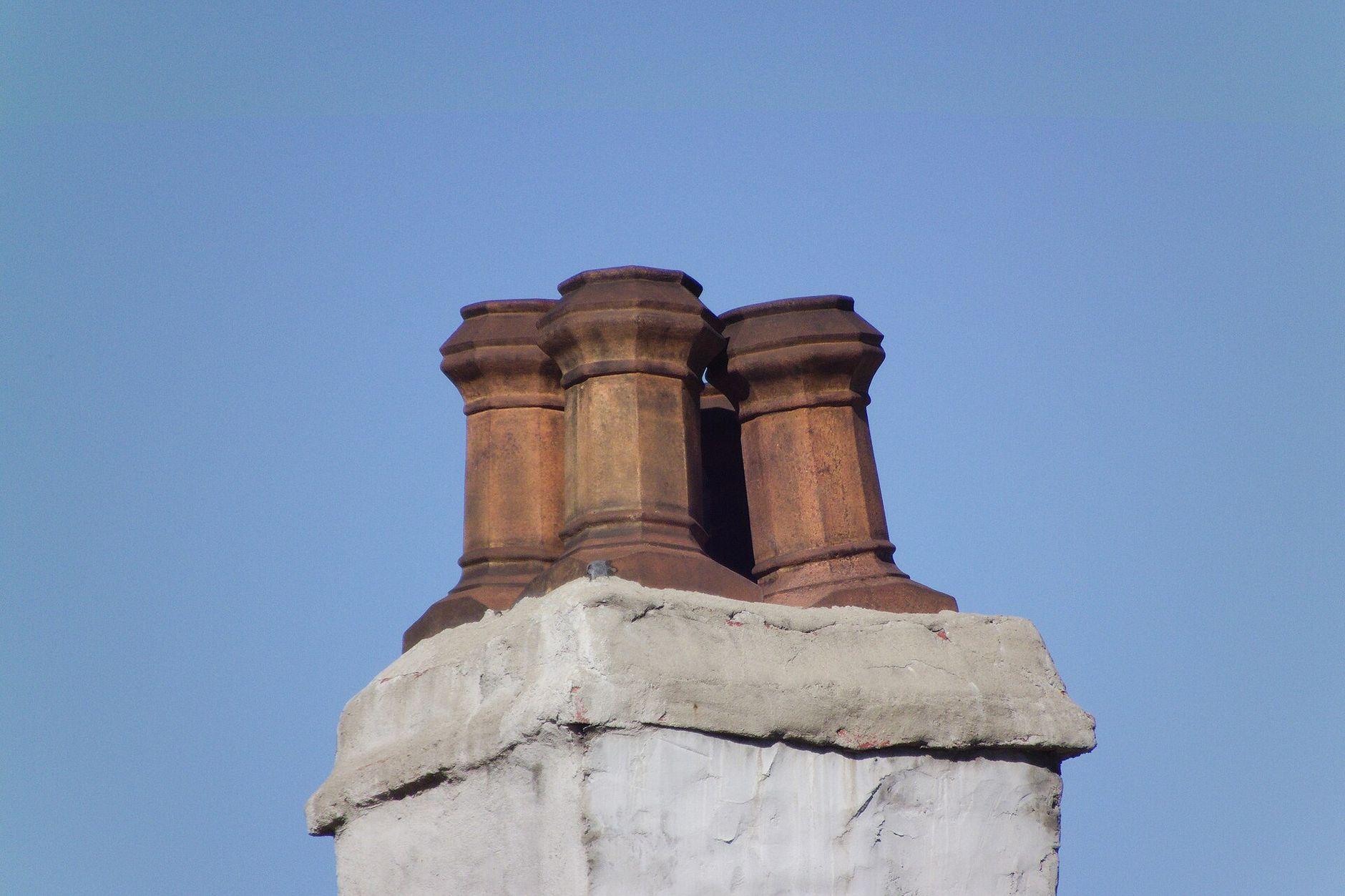
What the general inspector leaves for us
Buy a house from the middle of the last century and the general inspection report will usually carry a line about the fireplace that ends with a referral. That is normal. A home inspector covers a whole property in one visit and rarely brings a camera that can travel up a chimney. The flue, which is the part most likely to hide trouble in an older house, stays out of view.
That gap is what a Level 2 chimney inspection fills. In Buena Park it costs $415 with Delmar Chimney Care. This post covers what it looks at on an older house, and why NFPA 211, the fire protection standard for chimneys and fireplaces, names a change of owner as one of the times to book it.
Three depths, and which one a purchase needs
The standard describes inspections at three depths, and it is easiest to understand them by what each would miss on a 1950s house. The first is a look at what can be reached: firebox, damper, the bottom of the flue, the top of the chimney from the roof. It would miss a cracked tile halfway up. The second sends a camera from the smoke chamber to the cap and adds the attic and crawl space where the chimney passes, which is where that cracked tile and any scorched rafter would show. The third opens walls or masonry, and is only called for when the second points to something sealed inside the structure.
A sale is one of the events where the standard asks for the second depth. Most purchases need that and no more.
What the camera tends to find in older flues
Older chimneys fail in their own ways, and the camera visit is planned around them:
- Clay tile with open joints. Flue tiles in pre-war and post-war chimneys were stacked with mortar between them. After decades of heat that mortar crumbles and leaves gaps where smoke and heat reach the brick.
- Cracked or offset tiles. A crack running the length of a tile, or a tile that has slid sideways, often points to a past chimney fire or to shaking.
- No liner at all. A few of the oldest houses have bare brick inside. The camera shows this within seconds.
- A damper that no longer seals. Older cast iron dampers rust and warp. We note what is there and whether it still works.
- Brick and framing in the attic. Where the chimney passes the roof framing, we look for wood touching the brick and for stains or char.
- Old quake repairs. Patches from 1987 or 1994 show up as mismatched brick or a band of newer mortar.
Price, and what decides the next step
The visit itself has a fixed price: $415 for the camera inspection. If the seller has a Level 1 on file, that $175 look is useful history, but it answers a smaller question because it never goes up the flue.
What happens next depends on the findings, and that is the part you need in hand while your contract still lets you ask for repairs. The report lists each finding with photos, its spot in the flue and how it limits fires on that hearth. Where a fix has a published price it is listed: leak work at $590 to $3,550, a cricket on the uphill side of a broad stack at $470 to $1,065. A cap is quoted after we measure. Masonry, liner and damper work get a written figure from the same visit that you can put in front of the seller. If you are under contract on an older house with a fireplace, book the purchase Level 2 and include the property address, the year on the listing and the names of anyone who should get a copy.
Who receives the report
The report belongs to whoever ordered it, and copies go only where that person asks. A buyer usually wants their agent copied as well. If you would like the seller's side to see it, say so when you book. The home sale page sets out the usual arrangements, and buyer's agents will find their side on the page for agents.
Why older houses need this more than new ones
A house from 2005 with a factory-built fireplace has a metal flue made to a listing, and its parts are documented. A house from 1948 has a flue laid by hand, maybe relined once, maybe not, maybe repaired after a quake by someone who left no record. The seller often has no idea which. The camera turns that unknown into a list.
That list matters for money. A cracked liner on an older chimney is one of the larger repairs a buyer can inherit, and it cannot be seen without a camera. Knowing about it before you sign off on the property gives you a choice: ask for the fix, ask for money off, or decide the fireplace stays decorative.
Buena Park and the cities nearby
The houses we inspect for buyers in Buena Park are mostly post-war, with single flue brick chimneys and steel dampers. In Bellflower and Downey the mix is similar, with more two-story homes from the 1950s. Whittier and La Habra add more pre-war houses, with clay tile that has seen the better part of a century. The inspection is the same on each. What changes is where we expect trouble.
After the report
If the chimney needs work, the up to code repairs page shows how the usual findings are fixed. If it is sound, the report says that too, and it is worth having in the file. The Level 2 inspection page covers the visit in more detail.
Booking
Use the contact page to set the visit. Mention where you are in the purchase, who holds the key and who should see the report, and we will confirm the details by phone.
Want This Looked At on Your Own House?
Delmar Chimney Care starts by learning how your chimney was built, then writes up each finding beside a photo and prices every repair. We work in Buena Park, La Habra, Bellflower, Downey, Whittier and many nearby cities.