Where an old house tends to break first
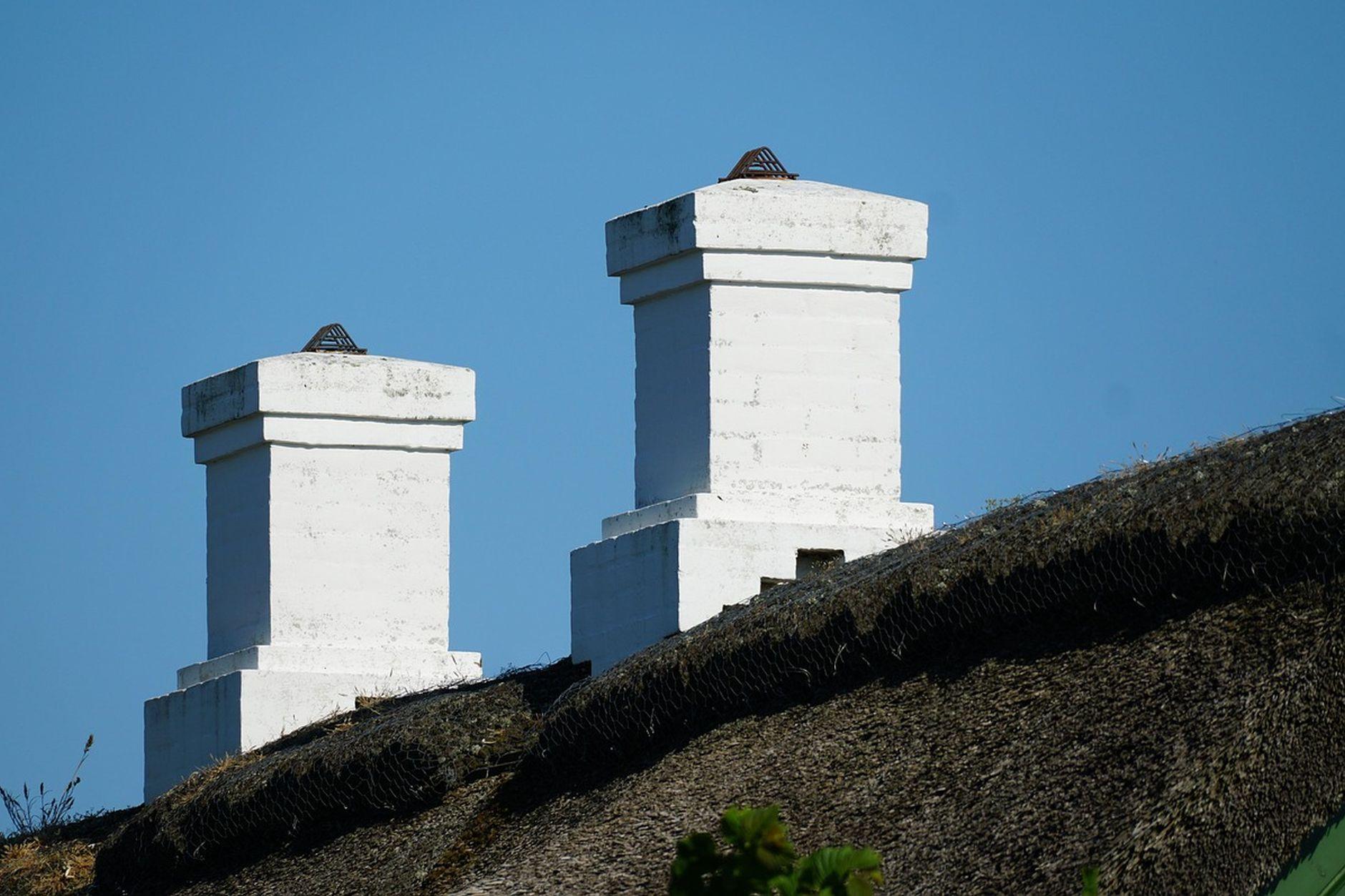
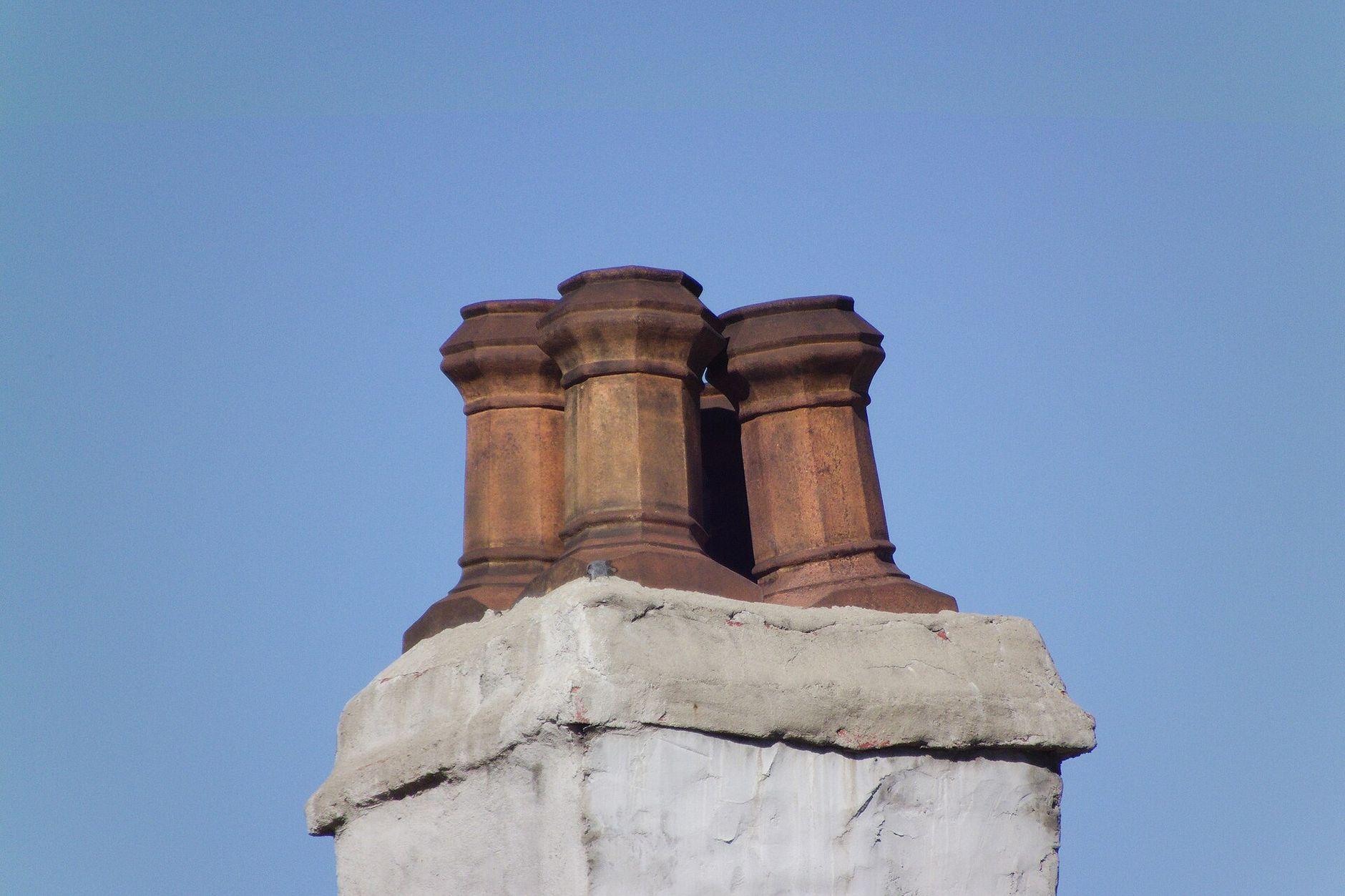
Most brick chimneys on houses built before the 1960s have little or no steel inside them. They stand on their own weight, joined to the house by a few ties if any. A wood frame flexes when the ground moves; a column of brick does not. In the 1987 Whittier Narrows earthquake, centered a short drive from Buena Park, and in the 1994 quake further north, chimneys snapping at the roofline were a familiar sight on older streets, some falling onto driveways and some through the roof into the room below.
Retrofit work does not make a chimney quake proof. What it does is lower the odds that the top of the stack comes down, and govern where the brick goes if it does.
The approaches, in general terms
There are three broad ways to deal with an unreinforced chimney. Which fits depends on the brick, the height and how the chimney meets the house.
- Straps. Steel bands circle the stack at the floor and ceiling lines and are bolted into the joists, so chimney and house are held together instead of moving on their own.
- Bracing. Above the roof, a tall stack can get a steel angle or tube fixed to its upper courses and carried back to the rafters, giving the top a support it never had.
- Rebuild above the roofline. The top of the chimney comes down to the roof and goes back up either in reinforced brick or as a lighter framed chase with a metal flue inside, finished to match. This removes the highest section, which is the part that does the harm when it falls.
Many jobs combine two of these: straps at the framing and a rebuilt top, for example.
Why the brick decides first
Steel only helps if the brick holds together. If the joints above the roof have turned to sand, a brace just holds loose brick in a bundle. So the visit starts with the masonry. When it is sound, straps and braces are good value. When it is not, the top section has to be rebuilt before anything else is worth paying for. The masonry repair page covers that side of the work.
How the work is scoped
Delmar Chimney Care does not publish a retrofit price. Height, brick, roof type and access vary too much from house to house. What you get is a written scope, from a visit that covers:
- The brick and joints above the roof, checked by hand.
- The chimney in the attic, where it passes the framing, and any existing ties.
- The flue by camera when the fireplace is still used, since a cracked liner changes the plan.
- The crown and the cap.
The scope names the method, where the steel goes and what it is fixed into, and what happens to the flue. The published prices that often come with it: the camera inspection at $415, and a cricket together with new roof flashing at $710 to $1,750 when the roof around the stack has to be opened anyway. A new cap, when the top is rebuilt, is quoted on site. If you own an older house with a tall brick chimney, ask for a retrofit assessment and tell us roughly how far the stack rises above the roof and whether the fireplace is still used.
What this post does not promise
We describe the methods in general terms on purpose. We do not promise a rebate, and we do not claim that one method suits every chimney. Your city may have its own rules for this work; the written scope is where those details get settled for your house.
Older chimneys in Buena Park and nearby
The post-war brick chimneys common in Buena Park are usually short, on single story houses, and that makes them good candidates for straps and a sound crown. Two-story houses in Downey and Bellflower have taller stacks, where the section above the roof is the main concern. In Whittier, closer to where the 1987 quake was centered, we still find chimneys that were patched after it and never tied back to the house. Those patches are often the first thing we look at.
Keeping the look of the house
Owners of Craftsman and Spanish style houses often worry that retrofit work will change how the chimney reads from the street. Usually it does not. Straps sit in the attic and behind the siding at the floor lines, out of sight. A brace above the roof is a slim piece of steel, painted to match the brick or the roof. Where the top has to be rebuilt, original brick that comes down sound is cleaned and laid back up on the outer face, so the new section matches the old one below it. The scope says which bricks are being kept, which are new, and how the joints will be finished, so there is no surprise when the scaffold comes down.
After a shake
If your chimney has been through a quake, even a moderate one, a camera look is worth booking before the next fire. Brick can stay standing while the tile inside has cracked. The seismic retrofit page and the Level 2 inspection page cover each part of that visit. If the report lists more than the bracing, the up to code repairs page explains the usual fixes.
Booking
Start at the contact page and tell us the street, the number of stories and whether you can see cracks at the roofline. We will set a time to look before any number is written down.
Want This Looked At on Your Own House?
Delmar Chimney Care starts by learning how your chimney was built, then writes up each finding beside a photo and prices every repair. We work in Buena Park, La Habra, Bellflower, Downey, Whittier and many nearby cities.